
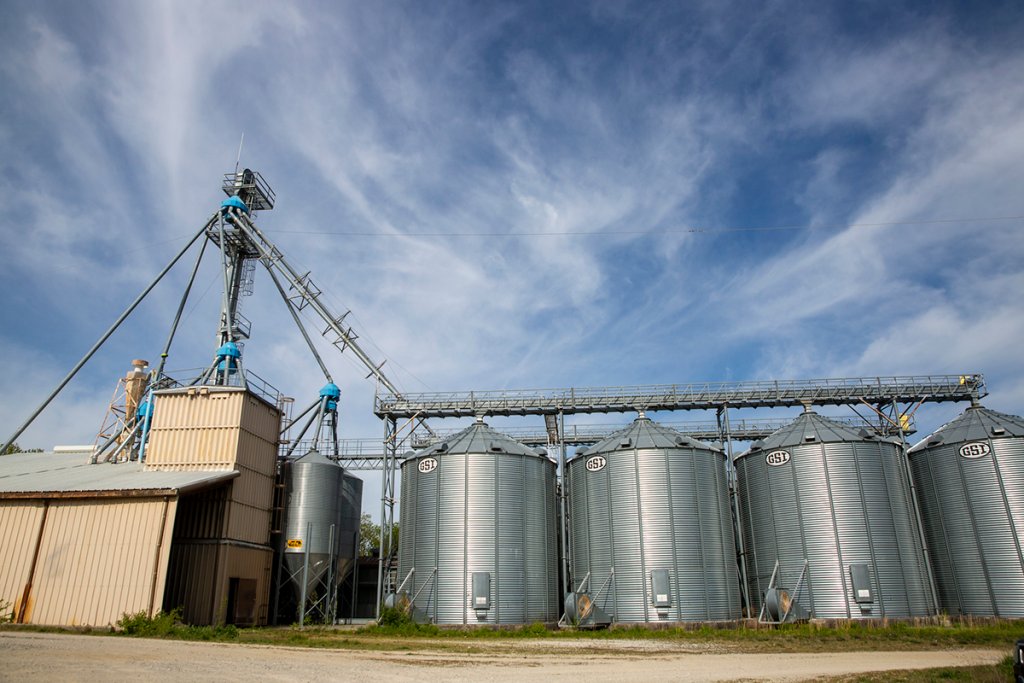
A feed mill is the beating heart of animal nutrition, where quality meets quantity to nourish livestock. Grinding grains, mixing supplements, and pelleting feed are the symphony of processes that ensure healthy growth. Every scoop of feed, meticulously crafted, is a blend of science and dedication. In the rhythmic hum of machinery lies the promise of sustenance, from farm to fork. Let’s delve into the world of feed mill operations, where precision and care converge to shape the future of agriculture.

Exploring the World of Feed Mill: A Comprehensive Guide
Are you curious about where the food for our furry and feathered friends comes from? Look no further than the fascinating world of feed mills! In this detailed guide, we will delve into the inner workings of feed mills, from the raw materials used to the essential processes involved in creating nutritious animal feed.
The Basics of Feed Mills
Feed mills play a crucial role in the agricultural industry by producing specialized feed for livestock, poultry, and pets. These facilities are equipped with state-of-the-art machinery that processes various ingredients to create balanced and nutritious feed formulas tailored to meet the specific needs of different animals.
The Raw Materials
One of the key components of a feed mill is the diverse range of raw materials used in formulating animal feed. These raw materials can include grains like corn, barley, and wheat, as well as protein sources such as soybean meal, fish meal, and dried distillers grains.
The Grinding Process
Once the raw materials are sourced, they undergo a grinding process to break them down into smaller particles. This crucial step not only enhances the digestibility of the feed but also ensures uniformity in the overall composition of the feed.
The Mixing Stage
After grinding, the various ingredients are mixed together in precise proportions to create a balanced feed formula. The mixing stage is where vitamins, minerals, and other additives are incorporated to fortify the feed and meet the nutritional requirements of the target animals.
The Importance of Quality Control
Quality control is paramount in ensuring the safety and efficacy of animal feed produced in a feed mill. Stringent quality control measures are implemented throughout the manufacturing process to monitor factors such as ingredient quality, feed texture, and nutrient content.
Testing Procedures
Feed mills conduct rigorous testing procedures to verify the quality of the feed at different stages of production. These tests may include nutrient analysis, moisture content assessment, and microbial testing to guarantee that the feed meets regulatory standards and is safe for consumption.
Storage and Packaging
Once the feed is formulated and tested, it is then stored in appropriate facilities to maintain its freshness and nutritional integrity. Feed mills utilize specialized packaging equipment to package the feed in bags or bulk containers for distribution to farms, pet stores, and other end-users.
Environmental Considerations
Feed mills are increasingly adopting sustainable practices to minimize their environmental impact and promote eco-friendly operations. From energy-efficient machinery to waste management strategies, these facilities are taking proactive steps to reduce their carbon footprint and contribute to a greener future.
Recycling and Waste Management
Many feed mills implement recycling programs to minimize waste generated during the manufacturing process. By reusing byproducts and implementing effective waste management practices, feed mills can reduce their environmental footprint and contribute to a more sustainable agricultural industry.
Energy Efficiency
To reduce energy consumption and lower operating costs, feed mills are exploring innovative ways to enhance energy efficiency. This may involve investing in energy-saving equipment, optimizing production processes, and adopting renewable energy sources to power their operations.
Future Trends and Innovations
As technology continues to advance, feed mills are embracing new trends and innovations to enhance their productivity and product quality. From digital automation systems to precision feeding technologies, the future of feed mills is brimming with exciting possibilities.
Digital Automation
Digital automation systems are revolutionizing the way feed mills operate by streamlining production processes and improving efficiency. These systems allow for real-time monitoring of feed production, inventory management, and quality control, enabling feed mills to optimize their operations and meet growing demand.
Precision Feeding
Precision feeding technologies are transforming the way animals are fed by providing customized feed solutions tailored to individual animals’ nutritional requirements. By leveraging data analytics and advanced feeding systems, feed mills can optimize feed efficiency and reduce wastage, ultimately benefiting both animals and producers.
In conclusion, feed mills play a vital role in ensuring the health and well-being of animals by producing high-quality and nutritious feed. By understanding the intricate processes involved in feed milling and staying abreast of emerging trends and innovations, we can continue to support a sustainable and thriving agricultural industry.
Mont Eagle Products Feed Mill Tour. Stocking up on Livestock Feed.
Frequently Asked Questions
What are the key components of a feed mill?
A feed mill typically consists of equipment such as grinders, mixers, pelletizers, coolers, and packaging machines. These components work together to process raw materials into animal feed efficiently.
How does a feed mill process raw materials into animal feed?
In a feed mill, raw materials such as grains, soybeans, and vitamins are ground, mixed, and pelleted to create a nutritious feed for livestock. The process involves precise mixing, grinding, and pelletizing to ensure a balanced diet for the animals.
What are the benefits of using a feed mill for animal feed production?
Using a feed mill for animal feed production offers benefits such as cost-effectiveness, quality control, and customization of feed formulations. This allows farmers to provide their livestock with high-quality feed tailored to their specific needs.
Final Thoughts
Optimizing feed mill operations leads to increased efficiency and quality. Implementing automated processes reduces manual labor and boosts production rates. Regular maintenance of equipment ensures consistent output and minimizes downtime. Prioritizing these aspects in feed mill management maximizes profitability and sustainability in the long run.


