
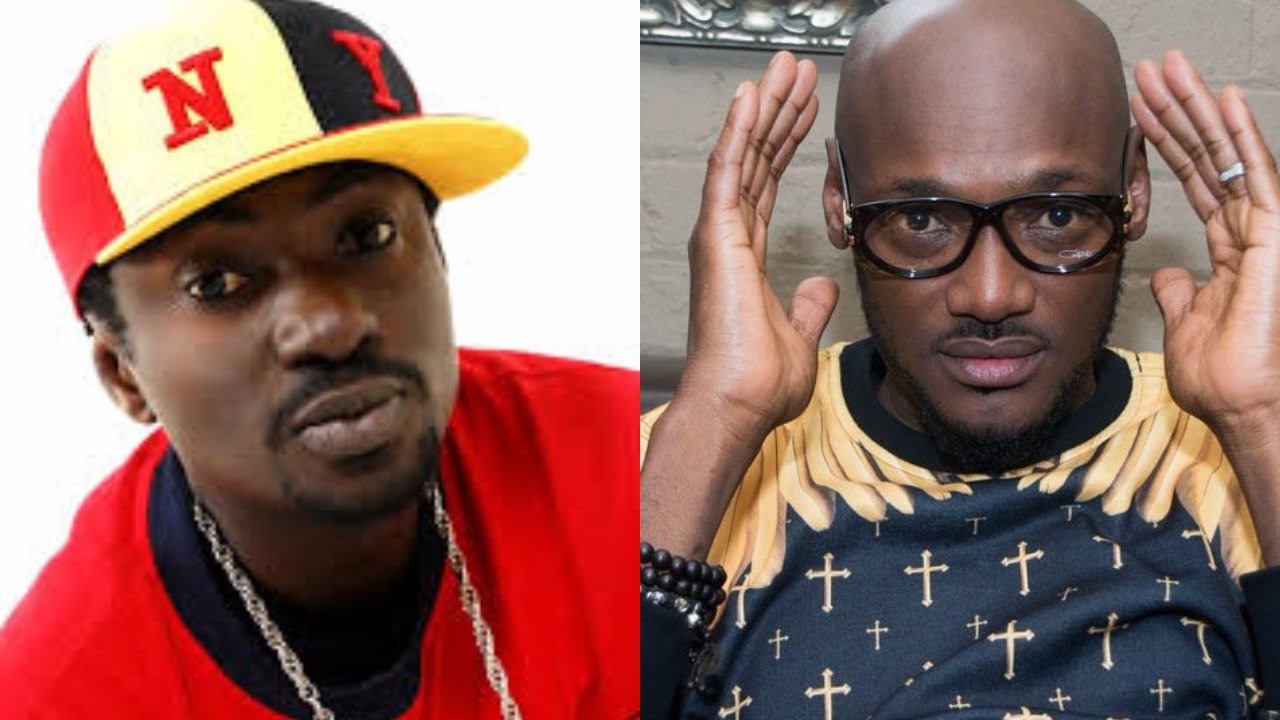
Yes, Blackface Naija is a prominent Nigerian musician known for his thought-provoking lyrics and impactful music. His unique blend of Afrobeat and reggae has captured the hearts of many listeners worldwide. In this article, we delve into the powerful message behind Blackface Naija’s music and the influence he has had on the Nigerian music scene. Join us on a journey to explore the depth and significance of Blackface Naija’s artistry.

Exploring the Controversy of Blackface Naija
Welcome to our blog where we dive deep into the fascinating world of Blackface Naija. This cultural phenomenon has sparked debates and discussions, and today we are going to explore its history, impact, and the controversies surrounding it. So, let’s jump right in!
The History of Blackface Naija
Blackface Naija, also known as just Blackface, is a form of theatrical makeup used predominantly by non-black performers to represent a caricature of a black person. This practice has a long and controversial history, dating back to the 19th century in the United States. It was used in minstrel shows where white performers would darken their skin and exaggerate their features to portray negative stereotypes of African Americans.
In Nigeria, Blackface Naija has its roots in similar practices influenced by colonialism and cultural exchanges. The use of blackface in Naija entertainment often involves makeup and costumes that exaggerate racial characteristics, perpetuating harmful stereotypes.
Understanding the Impact of Blackface Naija
The impact of Blackface Naija is far-reaching and complex. On one hand, some argue that it is a form of artistic expression and satire, meant to entertain and provoke thought. However, on the other hand, many view it as deeply offensive and perpetuating racist stereotypes.
For the black community, Blackface Naija can be a painful reminder of historical oppression and dehumanization. It reinforces harmful stereotypes and undermines efforts towards equality and inclusivity. It can also affect how black individuals see themselves and how they are perceived by others.
The Controversies Surrounding Blackface Naija
Over the years, Blackface Naija has sparked numerous controversies and debates within the entertainment industry and beyond. Critics argue that it is a form of cultural appropriation and racism, while supporters defend it as a legitimate form of artistic expression.
One of the most significant controversies surrounding Blackface Naija involves questions of representation and authenticity. Who has the right to portray a particular culture or race? Is Blackface Naija perpetuating harmful stereotypes or shedding light on important issues?
The Role of Social Media in the Blackface Naija Debate
Social media has played a crucial role in amplifying the conversation around Blackface Naija. Platforms like Twitter, Instagram, and TikTok have been used to call out instances of Blackface Naija and hold individuals and organizations accountable for their actions.
Hashtags such as #SayNoToBlackface and #BlackfaceNaijaDebate have trended, sparking discussions and raising awareness about the impact of this controversial practice. Social media has empowered voices that were previously marginalized and provided a platform for advocacy and education.
Challenging the Status Quo
As society continues to evolve, so too must our understanding of cultural representation and inclusivity. Challenging the status quo means acknowledging the harmful effects of practices like Blackface Naija and working towards more respectful and authentic portrayals of diverse cultures.
By promoting diversity, equity, and inclusion in the entertainment industry and beyond, we can create a more empathetic and understanding society where everyone feels seen and valued. It’s time to move away from stereotypes and embrace the richness and complexity of our shared humanity.
In conclusion, the debate around Blackface Naija is ongoing and multi-faceted. While some may argue for its artistic merit, it is essential to consider the broader implications and historical context of this controversial practice. As we strive towards a more inclusive and respectful society, let us continue to challenge harmful stereotypes and promote authentic representation in all forms of media and entertainment.
Thank you for joining us on this exploration of Blackface Naija. We hope you found this article informative and thought-provoking. Feel free to share your thoughts and continue the conversation in the comments below!
Frequently Asked Questions
What is Blackface Naija and what does it represent?
Blackface Naija, also known as Blackface, is a Nigerian musician and actor known for his controversial expressions and music. He often uses his platform to address social issues and criticize societal norms through his music and performances.
Why has Blackface Naija faced backlash in the past?
Blackface Naija has faced backlash for his use of blackface makeup in some of his performances. The use of blackface, which historically has been associated with racist caricatures, has been deemed offensive and inappropriate by many people.
Is Blackface Naija’s use of blackface makeup considered offensive?
Yes, Blackface Naija’s use of blackface makeup is considered offensive by many as it perpetuates harmful stereotypes and histories of racism. The practice of blackface has a painful legacy of dehumanizing black people and should be avoided.
Final Thoughts
In conclusion, Blackface Naija’s music and activism have left a lasting impact on Nigeria’s entertainment industry. His blend of music and social commentary sparks necessary conversations about societal issues. Despite controversy surrounding his persona, Blackface Naija continues to push boundaries and challenge norms through his art. Whether one agrees with his methods or not, there is no denying the influence and relevance of Blackface Naija in shaping Nigerian music culture.


