
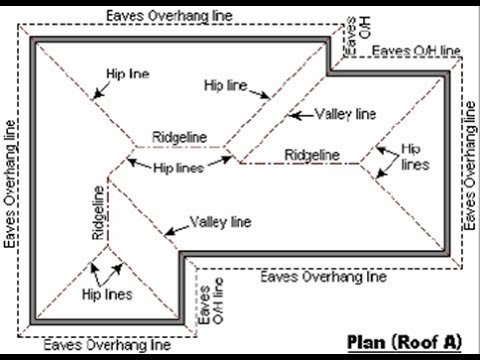
A roof plan is a crucial element in any construction project. It serves as the blueprint for the structure’s topmost layer, detailing the layout and design of the roof. With a well-executed roof plan, architects and builders ensure the structural integrity and aesthetic appeal of the building. Understanding how to create, read, and interpret a roof plan is essential for professionals in the construction industry. Let’s delve deeper into the importance and intricacies of a roof plan in this article.

The Importance of Understanding Your Roof Plan
Welcome, young architects and curious minds! Today, we are going to embark on an exciting journey into the world of roof plans. Have you ever looked up at a building and wondered how the roof was designed? Well, wonder no more! In this article, we will delve deep into the significance of a roof plan and why it is crucial in the world of architecture.
What is a Roof Plan?
Let’s start with the basics – what exactly is a roof plan? A roof plan is a detailed drawing that shows the layout of a building’s roof. It includes important information such as the shape of the roof, the materials to be used, and the dimensions of each component. Think of it as a map for the roof that guides architects and builders in constructing the perfect covering for a building.
The Components of a Roof Plan
Now that we know what a roof plan is, let’s explore its different components. A typical roof plan consists of various elements that work together to create a sturdy and functional roof. Some of the key components include:
Roof Shape
The shape of a roof plays a significant role in determining the overall look and functionality of a building. Roof shapes can vary from simple gable roofs to more intricate hip roofs and mansard roofs. Each shape has its advantages and is chosen based on factors like climate, aesthetics, and structural requirements.
Roof Pitch
The roof pitch refers to the slope of the roof. A steeper pitch is ideal for areas with heavy rainfall or snowfall, as it allows water and snow to easily slide off the roof. On the other hand, a lower pitch is suitable for regions with mild climates. The roof pitch is an essential aspect of the roof plan that ensures proper drainage and prevents water from pooling on the roof.
Materials
The choice of materials for a roof can have a significant impact on its longevity and durability. Common roofing materials include shingles, metal, tiles, and slate, each offering unique benefits in terms of aesthetics and performance. The roof plan specifies the type of materials to be used, ensuring that the roof is not only functional but also visually appealing.
The Role of a Roof Plan in Construction
Now that we have a better understanding of what a roof plan entails, let’s explore why it is so important in the construction process. A well-thought-out roof plan serves as a roadmap for builders, guiding them in the installation of the roof with precision and accuracy. Here are a few reasons why a roof plan is crucial in construction:
Structural Integrity
One of the primary functions of a roof plan is to ensure the structural integrity of the roof. By detailing the dimensions, materials, and load-bearing capacities of the roof, the plan helps builders create a roof that can withstand various weather conditions and external factors. This is essential in ensuring the safety and longevity of the building.
Cost-Efficiency
Another advantage of having a detailed roof plan is that it helps in cost estimation and budgeting. By specifying the materials and quantities required for the roof, architects and builders can create an accurate cost projection, preventing unexpected expenses during the construction process. This ensures that the project stays within budget without compromising on quality.
Regulatory Compliance
Roof plans also play a crucial role in ensuring regulatory compliance. Building codes and regulations require buildings to have roofs that meet certain standards in terms of safety and performance. A well-designed roof plan takes these regulations into account, ensuring that the roof meets all the necessary requirements and passes inspections with flying colors.
Creating Your Own Roof Plan
Now that you have learned about the importance of a roof plan, why not try creating your own? Grab a piece of paper, unleash your creativity, and design a roof plan for your dream house. Think about the shape, materials, and style you would like to incorporate into your design. Who knows, you might just discover a hidden talent for architecture!
Remember, a roof plan is not just a technical drawing; it is a creative expression of your vision for a building. So, don’t be afraid to think outside the box and experiment with different ideas. Who knows, you might just come up with the next revolutionary roof design that will change the skyline of cities!
In conclusion, a roof plan is more than just a blueprint; it is the backbone of a building’s structure. By understanding the various components of a roof plan and its importance in construction, you are one step closer to becoming a master architect. So, the next time you gaze up at a building, remember the intricate details that went into designing its roof plan. Who knows, you might just see architecture in a whole new light!
Keep dreaming, keep creating, and never stop exploring the fascinating world of architecture. Until next time, happy designing!
Roof Plan Tutorial Technical Drawing
Frequently Asked Questions
What is a roof plan?
A roof plan is a detailed drawing that provides an overhead view of a building’s roof structure. It includes important information such as the slope, materials, dimensions, and any additional features like skylights or chimneys. Roof plans are essential for construction and renovation projects to ensure proper design and implementation of the roof.
Why is a roof plan important in construction?
A roof plan is crucial in construction as it helps architects, engineers, and contractors visualize and understand the layout of the roof. It provides necessary details for installing the roofing materials correctly, ensuring proper drainage, and complying with building codes. Having a well-thought-out roof plan can prevent structural issues and ensure the longevity of the building.
What key information is typically included in a roof plan?
In a roof plan, you can expect to find details such as the roof slope, material specifications, roof projections, locations of vents or exhausts, drainage system design, and any unique features like dormers or skylights. Additionally, dimensions, construction notes, and any relevant building codes or regulations are usually depicted on the roof plan.
Final Thoughts
In conclusion, a well-designed roof plan is crucial for ensuring the structural integrity and aesthetics of a building. It serves as a blueprint for the construction team, guiding them on how to execute the roofing system efficiently. By highlighting important details such as materials, slopes, and drainage systems, the roof plan plays a significant role in the overall success of the project. Therefore, meticulous attention to detail and thorough planning are essential when creating a roof plan.


