
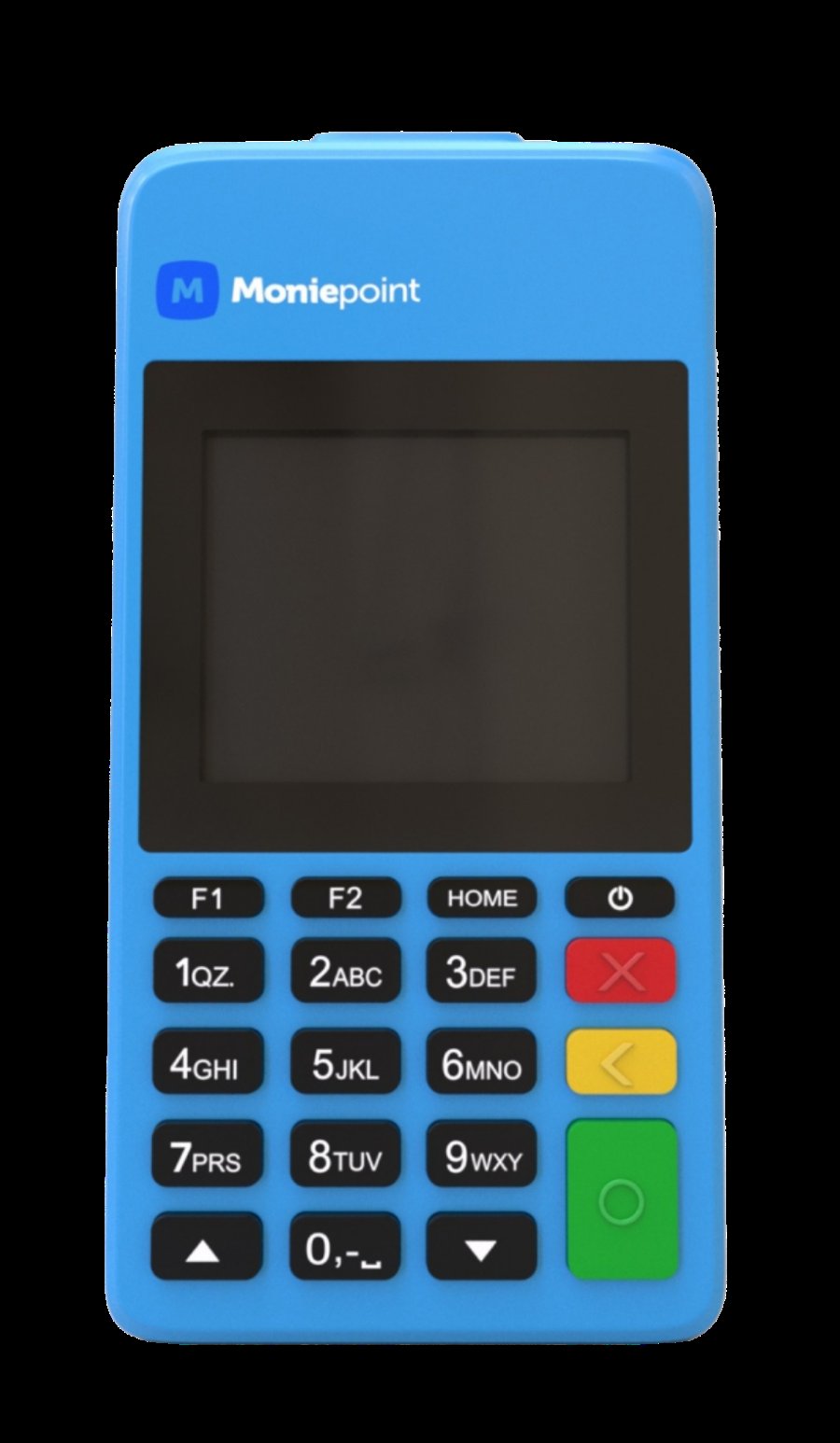
A reliable POS machine can range from $50 to over $1,500, depending on its features and capabilities. Understanding the cost factors is crucial for businesses looking to invest in this essential tool. When evaluating how much a POS machine will cost, consider the hardware, software, installation, and ongoing support. Let’s delve deeper into the various elements that determine the price of a POS machine and how businesses can make an informed decision.

How Much is a POS Machine: A Complete Guide to Understanding Costs
Welcome to our comprehensive guide on understanding how much a POS machine costs. If you are a business owner or someone curious about the world of point-of-sale systems, you’ve come to the right place. In this article, we’ll break down the various factors that contribute to the pricing of POS machines, helping you make an informed decision for your business. Let’s dive in!
The Basics of a POS Machine
Before we delve into the costs associated with POS machines, let’s first define what a POS machine is. A Point of Sale (POS) machine is a device that allows businesses to process payments from customers. These machines come in various forms, including traditional countertop terminals, mobile card readers, and integrated POS systems.
Factors Affecting the Cost of a POS Machine
When it comes to determining the price of a POS machine, several key factors come into play. Understanding these factors can help you evaluate the overall cost and choose the right solution for your business. Here are some essential considerations:
1. Type of POS System
The type of POS system you choose will significantly impact the overall cost. Traditional countertop terminals are typically more affordable upfront, while advanced integrated systems come with a higher price tag due to their enhanced features and capabilities.
2. Features and Functionality
POS machines offer a wide range of features, including inventory management, reporting tools, employee tracking, and more. The more advanced features you require, the higher the cost of the system is likely to be. Consider your business needs carefully to avoid paying for unnecessary functionalities.
3. Hardware Requirements
The hardware components of a POS system, such as terminals, card readers, printers, and scanners, can vary in price depending on the quality and brand. Additionally, if you opt for wireless or mobile POS solutions, expect to pay more for the convenience they offer.
4. Software Licensing and Updates
Many POS providers charge a licensing fee for their software, which may be a one-time payment or a recurring monthly fee. Additionally, software updates and maintenance costs can add to the overall expense of owning a POS machine.
5. Payment Processing Fees
In addition to the upfront cost of the POS system, businesses are also subject to payment processing fees for each transaction processed. These fees can vary based on the provider and the type of cards accepted, so be sure to factor them into your budget.
Cost Breakdown of POS Machines
Now that we’ve explored the factors influencing the cost of POS machines, let’s break down the typical price ranges you can expect to encounter in the market:
1. Entry-Level POS Systems ($500 – $1,500)
Entry-level POS systems, such as basic countertop terminals with essential features, are ideal for small businesses with limited budgets. These systems typically range from $500 to $1,500, making them a cost-effective option for startups and small retailers.
2. Mid-Range POS Systems ($1,500 – $5,000)
Mid-range POS systems offer more advanced features and capabilities, such as inventory tracking and reporting tools. These systems are suitable for growing businesses looking to streamline their operations and enhance customer service. Prices for mid-range systems typically fall between $1,500 and $5,000.
3. High-End POS Systems ($5,000+)
High-end POS systems, including integrated solutions with robust features and extensive hardware options, are designed for large enterprises and businesses with complex needs. These systems can cost $5,000 or more, depending on the customization and additional features required.
As you can see, the cost of a POS machine can vary significantly depending on various factors, including the type of system, features, hardware, software, and payment processing fees. By understanding these cost drivers and evaluating your business requirements, you can make an informed decision when investing in a POS solution.
Remember, the goal of a POS machine is to streamline your transactions, improve customer service, and boost overall efficiency. While cost is an important consideration, it’s essential to focus on the value and benefits that a POS system can bring to your business in the long run.
We hope this guide has provided you with valuable insights into how much a POS machine costs and how to navigate the pricing landscape. If you have any questions or require further assistance, feel free to reach out to us. Thank you for reading!
Clover VS Square: Which POS System is Best For Your Business?
Frequently Asked Questions
What factors determine the cost of a POS machine?
The price of a POS machine can vary depending on factors such as the brand, functionality, size of the business, and any additional features like integrated payment processing or inventory management. Higher-end models with advanced capabilities will typically cost more than basic models.
Are there any ongoing fees associated with owning a POS machine?
Yes, there can be ongoing fees for POS machines, including transaction fees, software subscription fees, and maintenance costs. Additionally, some providers may charge a monthly service fee for software updates and technical support.
Can I purchase a POS machine outright or are leasing options available?
Yes, you can typically purchase a POS machine outright or choose to lease it. Buying outright may require a larger upfront investment but could be more cost-effective in the long run, while leasing can offer flexibility with lower initial costs and potential upgrades.
Do I need to buy any additional equipment or software to use a POS machine?
While some POS systems may require additional equipment like receipt printers or barcode scanners, many modern POS machines come as all-in-one solutions. However, you may need to purchase software licenses or subscribe to a service to access certain features and functionalities.
Final Thoughts
In conclusion, the cost of a POS machine varies depending on factors like brand, features, and provider. Prices range from $50 to $1,000 or more. It’s essential to consider your business needs and budget when choosing a POS machine. Researching different options will help you find the best value for ‘how much is a POS machine’.


