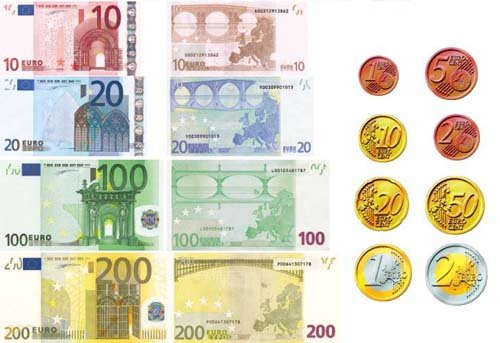
The currency of Portugal is the Euro. This common currency is used by many European countries, simplifying travel and trade within the Eurozone. Understanding the currency of a country is crucial for anyone planning a trip or business dealings. In this blog article, we will delve into what the currency of Portugal means for travelers, businesses, and the country’s economy. Let’s explore the significance and impact of the Euro in Portugal.

Exploring the Currency of Portugal
Welcome to our blog where we will delve into the fascinating world of currencies! Today, our focus is on Portugal and its unique currency. Have you ever wondered what the currency of Portugal is? Let’s embark on this exciting journey together to uncover the mysteries behind Portugal’s monetary system.
What is the Official Currency of Portugal?
The official currency of Portugal is the Euro. Introduced in 1999, the Euro replaced the Portuguese Escudo as the country’s legal tender. Portugal adopted the Euro as part of its commitment to the European Union, which aims to promote economic cooperation and stability among member countries.
The History of Portugal’s Currency
Before the Euro, Portugal used the Portuguese Escudo as its official currency. The Escudo had a long history dating back to the 12th century when it was first introduced. However, with the advent of globalization and the push for a single currency in Europe, Portugal made the transition to the Euro.
Since joining the European Union in 1986, Portugal worked towards meeting the criteria set out by the EU for adopting the Euro. This included ensuring a stable economy, low inflation rates, and fiscal responsibility. In 1999, Portugal became one of the founding members of the Eurozone and officially adopted the Euro as its currency in 2002.
Using the Euro in Portugal
Now that we know the official currency of Portugal is the Euro, let’s explore how it is used in everyday transactions. When you visit Portugal, you will find that the Euro is the accepted form of payment for goods and services. From buying a delicious Pastel de Nata at a local bakery to souvenirs from a street market, the Euro is the currency you will need.
Coins and Banknotes
The Euro is divided into coins and banknotes, each with different denominations. The Euro coins come in various values, including 1 cent, 2 cents, 5 cents, 10 cents, 20 cents, 50 cents, 1 Euro, and 2 Euros. These coins feature unique designs and are used for smaller transactions.
On the other hand, Euro banknotes are available in denominations of 5 Euros, 10 Euros, 20 Euros, 50 Euros, 100 Euros, 200 Euros, and 500 Euros. Each banknote showcases different architectural styles from various periods in European history. These banknotes are widely used for larger purchases and transactions.
Exchanging Currency
When traveling to Portugal from a country that does not use the Euro, you may need to exchange your local currency for Euros. There are several ways to do this, including exchanging money at banks, currency exchange offices, or using ATMs. It’s important to compare exchange rates and fees to get the best value for your money.
Tips for Currency Exchange
Before you exchange currency for your trip to Portugal, here are some tips to keep in mind:
- Check the exchange rates to ensure you are getting a fair deal.
- Avoid exchanging money at airports or tourist areas, as they often have higher fees.
- Consider using a credit card for purchases to avoid carrying large sums of cash.
- Always count your money before leaving the exchange office to ensure accuracy.
As we wrap up our exploration of the currency of Portugal, we have learned that the Euro is the official currency of this beautiful country. From its historic transition from the Portuguese Escudo to joining the Eurozone, Portugal has embraced the Euro as a symbol of unity and cooperation within the European Union.
Whether you are strolling through the picturesque streets of Lisbon or soaking up the sun in the Algarve region, the Euro will be your trusted companion for all your transactions in Portugal. So, next time you visit this charming country, be sure to have some Euros ready to immerse yourself in the rich culture and beauty that Portugal has to offer.
We hope this journey into the currency of Portugal has been enlightening and informative. Stay tuned for more exciting insights into the world of currencies and finance on our blog!
The currency of Portugal is |
Frequently Asked Questions
What is the currency used in Portugal?
The official currency of Portugal is the Euro (€). It has been the country’s currency since 1999 when Portugal adopted it as part of the Eurozone.
Can I use a currency other than the Euro in Portugal?
While the Euro is the official currency in Portugal, some tourist areas may accept US dollars or British pounds. However, it is recommended to exchange your money to Euros for easier transactions and better exchange rates.
Where can I exchange my currency to Euros in Portugal?
You can exchange your currency to Euros at banks, currency exchange bureaus, and some hotels. It is advisable to compare exchange rates and fees to get the best value for your money.
Are credit cards widely accepted in Portugal?
Yes, credit cards are widely accepted in Portugal, especially in urban areas, hotels, restaurants, and shops. Visa and Mastercard are the most commonly accepted cards, but it’s always a good idea to carry some cash for smaller purchases or in rural areas where card acceptance may be limited.
Final Thoughts
In conclusion, the currency of Portugal is the Euro. This adoption occurred in 1999 when Portugal joined the Eurozone. Today, the Euro is the official currency used throughout the country for all transactions. Understanding what is the currency of Portugal is crucial for visitors and business travelers alike.