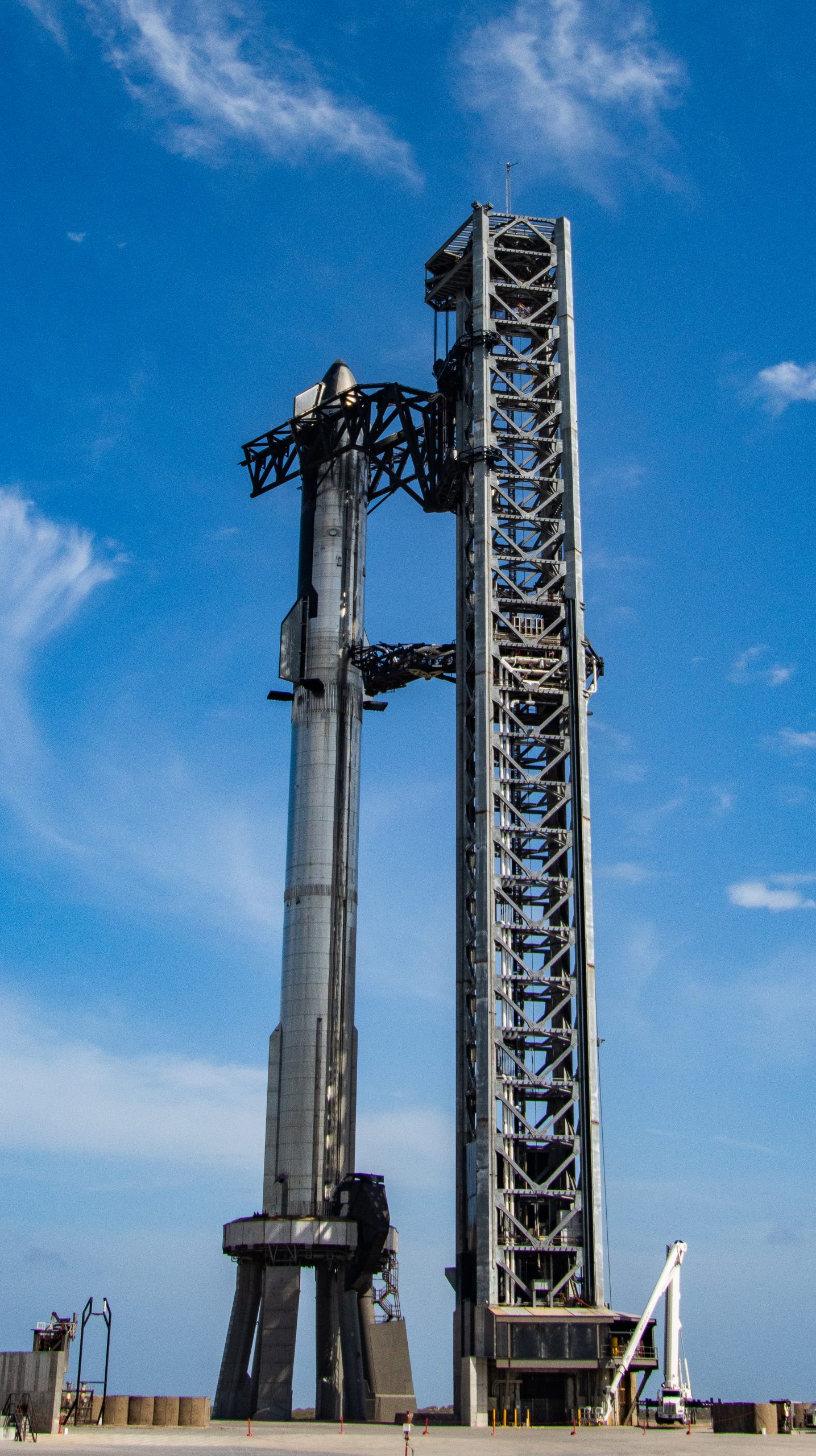
SpaceX Starship orbital flight is on the horizon as the company prepares for its first orbital launch. This significant milestone could change space travel forever.
Overview of SpaceX’s Starship Program
SpaceX’s Starship program aims to revolutionize space travel with its fully reusable spacecraft, designed for missions to the Moon, Mars, and beyond. The program has garnered significant attention as SpaceX prepares for its Starship orbital flight, which is seen as a pivotal moment in the company’s ambitions for interplanetary exploration.
With the recent announcement targeting the first orbital flight, SpaceX is focused on refining its launch plans and ensuring the spacecraft’s readiness. The Starship vehicle, combined with the Super Heavy booster, promises to deliver unprecedented payload capacities and accessibility to space.
Key features of the Starship program include:
- Reusability: Each launch and landing cycle reduces the cost of access to orbit.
- Versatility: Designed for a variety of missions, from satellite launches to crewed interplanetary travel.
- Innovative technology: Incorporation of advanced materials and engineering approaches to enhance performance.
As preparations for Flight 14 move forward, the space community eagerly anticipates the outcomes of this ambitious project, which could reshape the future of space exploration.
What to Expect from the Upcoming Launch
As anticipation builds around the upcoming SpaceX Starship orbital flight, enthusiasts and industry experts alike are eager to see how this launch will unfold. The company has been diligently preparing for this critical mission, which aims to demonstrate the capabilities of its next-generation spacecraft.
During the launch, observers can expect several key features:
- Innovative Launch System: SpaceX plans to utilize its Super Heavy booster, designed to provide the necessary thrust for the Starship to break free from Earth’s gravitational pull.
- Flight Objectives: The primary goal of this orbital flight is to validate the Starship’s performance in space and gather data for future missions, including crewed flights to the Moon and Mars.
- Real-time Data Transmission: Viewers can anticipate live updates and data streamed directly from the launch site, allowing for a comprehensive understanding of the flight’s progress.
- Post-Launch Analysis: Following the mission, SpaceX will conduct an extensive review of the flight data to refine its technology and improve safety for future flights.
This launch marks a significant milestone in the SpaceX Starship program, paving the way for future exploration endeavors.
Key Milestones Achieved by SpaceX
SpaceX has reached several key milestones that pave the way for the upcoming SpaceX Starship orbital flight. These achievements not only highlight the company’s technical prowess but also its commitment to revolutionizing space travel.
- Successful Test Flights: SpaceX has conducted numerous test flights with varying objectives, leading to valuable data collection and system refinements.
- Engine Development: The Raptor engines have undergone significant enhancements, demonstrating increased reliability and performance during tests.
- Launch Pad Preparations: Facilities at the Boca Chica launch site have been upgraded to handle the demands of future orbital missions, ensuring a robust launch infrastructure.
- Regulatory Approvals: SpaceX has secured necessary approvals from the Federal Aviation Administration (FAA), which are crucial for conducting the first orbital flight.
As the company prepares for Flight 14, these milestones provide a strong foundation for the anticipated SpaceX Starship orbital flight, marking a significant step towards interplanetary travel.
SpaceX Starship orbital flight: Challenges Ahead
As SpaceX prepares for its upcoming Starship orbital flight, several challenges loom on the horizon. The ambitious nature of this mission necessitates overcoming both technical and regulatory hurdles.
One significant challenge is ensuring the reliability of the Starship system. Despite the successful tests of previous prototypes, the transition to an orbital flight demands a flawless performance of all components. Each element, from the engines to the flight control systems, must function seamlessly to achieve the desired outcome.
Moreover, regulatory approvals play a crucial role in the timeline for the Starship orbital flight. SpaceX must navigate a complex landscape of regulations and safety protocols, particularly concerning environmental impacts and launch site operations. Delays in obtaining these approvals could push back the scheduled launch date.
Lastly, potential weather-related issues could further complicate the mission. Launch windows for orbital flights are often narrow, meaning that even minor weather disturbances could lead to postponements.
In summary, while SpaceX’s Starship program has made remarkable progress, the upcoming orbital flight presents a series of challenges that the company must address to achieve success.
The upcoming SpaceX Starship orbital flight promises to revolutionize space travel with its innovative design and capabilities. As the best proven launch plans are finalized, the aerospace community eagerly anticipates the mission’s success.
By Jenny Hautmann via Openverse