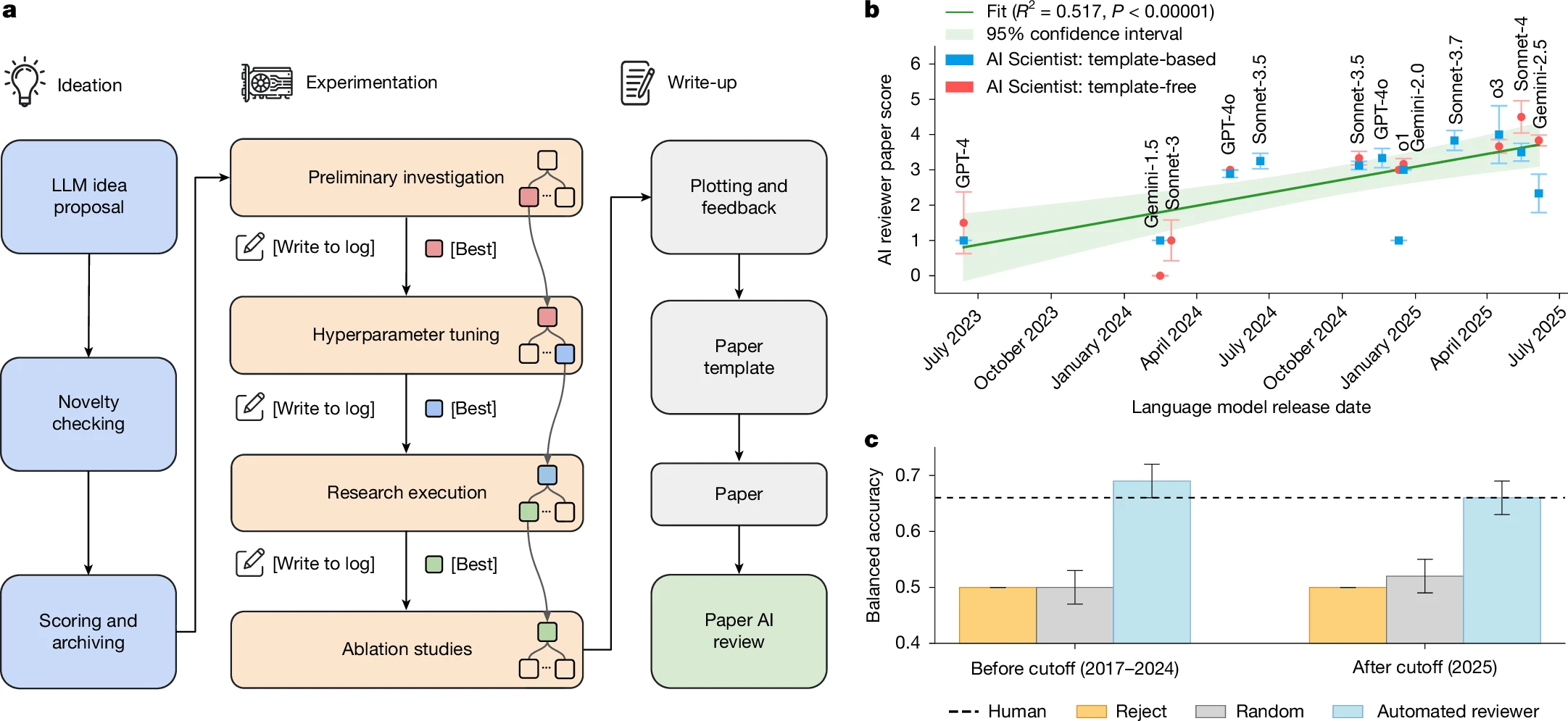
AI-Agent Workflows are transforming how businesses operate. The recent release of Netsujo’s Agent Role Contracts v0.5.0 aims to enhance safety in these workflows.
What are AI-Agent Workflows?
AI-Agent workflows are structured processes that allow artificial intelligence agents to perform tasks autonomously or semi-autonomously. These workflows integrate various AI models and tools to streamline operations, enhance productivity, and improve decision-making across different industries.
In essence, AI-Agent workflows enable organizations to automate routine tasks, manage data flows, and facilitate complex problem-solving scenarios. This innovative approach is becoming increasingly popular as businesses seek to leverage AI technology for competitive advantage.
However, the deployment of AI-Agent workflows raises important questions about safety and risk management. With recent developments such as Netsujo’s release of Agent Role Contracts v0.5.0, companies are now better equipped to ensure that their AI agents operate within defined parameters. This is crucial for maintaining compliance, security, and ethical standards in business operations.
As AI-Agent workflows continue to evolve, understanding their implications for safety is essential for any organization looking to harness their potential.
Benefits of Using AI-Agent Workflows
AI-Agent workflows offer numerous advantages that can significantly enhance business operations. By automating routine tasks, these workflows free up valuable time for employees to focus on more strategic initiatives. This not only increases productivity but also fosters innovation within teams.
Additionally, AI-Agent workflows can improve accuracy and reduce human error in processes such as data entry and analysis. By relying on advanced algorithms, businesses can ensure that their operations run smoothly and efficiently.
Furthermore, the adaptability of AI-Agent workflows allows companies to quickly respond to changing market demands. This flexibility ensures that businesses can maintain a competitive edge in an ever-evolving landscape.
Finally, integrating AI-Agent workflows can lead to cost savings over time by optimizing resource allocation and minimizing unnecessary expenses. As companies explore these benefits, they may find that AI-Agent workflows are not only effective but also safe for their business growth.
Netsujo’s New Release Explained
Netsujo has recently launched its latest update, Agent Role Contracts v0.5.0, aimed at enhancing the safety and effectiveness of AI-Agent workflows. This release introduces a framework designed to clarify the responsibilities and capabilities of AI agents in various business contexts.
The key features of this update include:
- Role Definition: Clearly outlines the tasks AI agents can perform, minimizing the risk of misuse.
- Compliance Monitoring: Implements tools to ensure that AI-Agent workflows adhere to industry regulations.
- Performance Metrics: Provides analytics to measure the effectiveness and safety of AI interactions.
With these enhancements, Netsujo aims to not only improve operational efficiency but also address safety concerns that many businesses have regarding AI-Agent workflows. This proactive approach ensures that organizations can harness the potential of AI while maintaining control and accountability.
How to Implement AI-Agent Workflows
Implementing AI-Agent workflows in your business can streamline operations and enhance productivity. Here are some steps to ensure a smooth integration:
- Assess Your Needs: Identify the specific tasks that can benefit from AI-Agent workflows. Consider areas where efficiency can be improved.
- Select the Right Tools: Choose AI tools that align with your business goals. Look for options that provide seamless integration with existing systems.
- Train Your Team: Provide comprehensive training to your employees on how to use the AI tools effectively. This will help in overcoming resistance to change.
- Monitor Performance: Regularly evaluate the performance of AI-Agent workflows. Adjust strategies based on feedback and analytics to optimize results.
- Ensure Compliance: Stay updated with regulations surrounding AI usage and ensure that your workflows adhere to legal and ethical standards.
By following these steps, businesses can successfully implement AI-Agent workflows while maintaining safety and compliance.
Common Challenges in AI-Agent Workflows
Despite the advancements in AI-Agent workflows, businesses face several common challenges when integrating these systems into their operations.
One significant issue is data privacy. Organizations must ensure that sensitive information remains protected while using AI agents to process data. This often requires implementing stringent security measures.
Another challenge is system compatibility. Existing infrastructure may not seamlessly align with new AI technologies, leading to potential integration issues that can hinder productivity.
Additionally, there is the concern of training and support. Employees may need retraining to work effectively alongside AI agents, which can incur costs and time.
Furthermore, a lack of transparency in AI decision-making processes can create trust issues among stakeholders, making it crucial to communicate how these workflows operate.
Addressing these challenges is essential for maximizing the benefits of AI-Agent workflows and ensuring a safe and effective implementation.
Best Practices for Safe AI-Agent Workflows
Ensuring the safety of AI-Agent workflows is crucial for businesses looking to harness the power of artificial intelligence. To achieve this, organizations should consider the following best practices:
- Regular Audits: Conduct frequent evaluations of AI-Agent workflows to identify potential vulnerabilities and ensure compliance with industry standards.
- Clear Role Definitions: Establish well-defined roles and responsibilities for each AI agent to minimize confusion and enhance accountability.
- Data Privacy Measures: Implement strict data protection protocols to safeguard sensitive information processed by AI agents.
- Continuous Monitoring: Utilize real-time monitoring tools to track the performance and actions of AI agents, enabling prompt responses to any anomalies.
- Training and Awareness: Educate team members about the nuances of AI-Agent workflows to foster a culture of safety and vigilance.
By adhering to these best practices, businesses can confidently leverage AI-Agent workflows while minimizing associated risks.
User Feedback on Netsujo’s Update
User feedback on Netsujo’s recent update, which includes Agent Role Contracts v0.5.0, has been largely positive. Many users appreciate the enhanced safety measures implemented to address concerns surrounding AI-Agent workflows. The new features aim to provide businesses with better control and transparency over their AI interactions.
Several users highlighted the following points:
- Improved Security: Users feel more secure knowing that the new contracts outline clear responsibilities and limitations for AI agents.
- User-Friendly Interface: The updated interface makes it easier to manage AI-Agent workflows, reducing the learning curve for new users.
- Increased Efficiency: Feedback indicates that the update has streamlined workflows, allowing for quicker response times and better task management.
Overall, the reception of Netsujo’s update suggests that businesses are optimistic about the future of AI-Agent workflows, particularly concerning safety and reliability.
Future of AI-Agent Technology
The future of AI-Agent technology looks promising, particularly as businesses increasingly adopt AI-Agent workflows to enhance efficiency and productivity. With advancements in machine learning and natural language processing, AI agents are becoming more sophisticated, allowing them to handle increasingly complex tasks.
However, the safety of such technologies remains a primary concern. As organizations integrate AI-Agent workflows, they must remain vigilant about data privacy and ethical considerations. The recent release of Netsujo’s Agent Role Contracts v0.5.0 aims to address these concerns by providing clearer guidelines and frameworks for safe AI-Agent operations.
Looking ahead, it’s essential for businesses to continuously evaluate their AI-Agent workflows. This involves not only adopting new technologies but also ensuring they comply with evolving regulations and standards. Ultimately, the success of AI-Agent workflows will depend on a balanced approach that prioritizes innovation while maintaining safety and responsibility.
By Authors of the study: Chris Lu, Cong Lu, Robert Tjarko Lange, Yutaro Yamada, Shengran Hu, Jakob Foerster, David Ha & Jeff Clune via Openverse