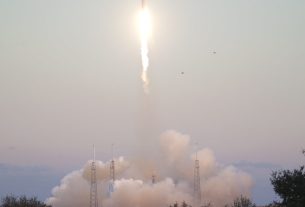
Gaganyaan uncrewed mission has reached a significant milestone as ISRO completes a key test ahead of its first mission. This development marks a crucial step in India’s ambitious space program.
What is Gaganyaan?
The Gaganyaan uncrewed mission is a significant initiative by the Indian Space Research Organisation (ISRO) aimed at advancing India’s capabilities in human spaceflight. This ambitious program is designed to demonstrate the technology required for a manned space mission in the near future.
As part of the Gaganyaan project, ISRO has been focusing on various critical components, including:
- Launch Vehicle: The GSLV Mk III, which will carry the crew module to space.
- Crew Module: A spacecraft designed to accommodate astronauts safely.
- Safety Systems: Technologies to ensure the safe return of the crew.
- Life Support: Systems that provide essential support for astronauts during their missions.
With several successful tests already completed, the Gaganyaan uncrewed mission represents a crucial step toward establishing India as a key player in global space exploration.
ISRO’s Achievements in Space
The Indian Space Research Organisation (ISRO) has made significant strides in its journey towards the Gaganyaan uncrewed mission. This ambitious project aims to establish India among the elite nations capable of sending humans to space. Here are some notable achievements by ISRO that pave the way for this historic mission:
- Successful Test Flights: ISRO has conducted multiple test flights, including the recent uncrewed test of the Gaganyaan crew module, which demonstrated key technologies essential for human spaceflight.
- Launch Vehicle Development: The development of the GSLV Mk III, the launch vehicle designated for the Gaganyaan uncrewed mission, showcases advancements in payload capacity and reliability.
- Life Support Systems: ISRO has also focused on the development of life support systems, ensuring the safety and well-being of future astronauts.
- Collaboration with Global Agencies: Collaborations with international space agencies have enhanced ISRO’s knowledge and capabilities in advanced space technologies.
These efforts demonstrate ISRO’s commitment to achieving success in the Gaganyaan uncrewed mission and beyond.
Key Tests Leading to Gaganyaan
As the Indian Space Research Organisation (ISRO) gears up for the Gaganyaan uncrewed mission, several key tests have been successfully completed to ensure mission readiness. These tests play a crucial role in validating the technologies and systems required for the ambitious project.
- Crew Module Test: A significant milestone was achieved with the successful testing of the crew module, which is designed to safely house astronauts during future manned missions.
- Launch Vehicle Assessment: The GSLV Mk III launch vehicle has undergone rigorous assessments to confirm its capability to deliver the crew module into orbit.
- Environmental Tests: Various environmental tests have been conducted to simulate conditions in space, ensuring that all components can withstand the harsh environment.
- Safety Protocols: Comprehensive safety protocols have been established, focusing on emergency scenarios to protect the crew in future missions.
These tests are vital steps leading to the Gaganyaan uncrewed mission, marking India’s progress in achieving its space exploration goals.
Importance of Uncrewed Missions
The importance of uncrewed missions in space exploration cannot be overstated, particularly in the context of the Gaganyaan uncrewed mission. These missions serve as essential precursors to crewed flights, allowing organizations like ISRO to test systems and technologies without risking human lives.
Uncrewed missions provide valuable data on spacecraft performance, enabling engineers to identify and rectify potential issues. This process enhances safety protocols and ensures that the crewed missions will be as successful as possible.
Furthermore, uncrewed missions contribute to the development of autonomous systems, which are crucial for long-duration space travel. By conducting these tests, ISRO can refine navigation and communication systems, ensuring they can operate efficiently in the harsh environment of space.
- Testing critical technologies
- Enhancing safety measures
- Developing autonomous capabilities
In summary, the Gaganyaan uncrewed mission is a vital step in establishing India’s future in human spaceflight.
Future of Indian Space Exploration
The future of Indian space exploration looks promising, especially with the upcoming Gaganyaan uncrewed mission. This mission marks a significant milestone for the Indian Space Research Organisation (ISRO) and showcases India’s growing capabilities in space technology.
As ISRO prepares for this groundbreaking venture, several factors contribute to its potential success:
- Technological Innovation: Continuous advancements in technology enable the development of reliable spacecraft and systems.
- International Collaboration: Partnerships with other space agencies enhance knowledge sharing and resources.
- Public Engagement: Increased interest in space exploration fosters support and enthusiasm among the general public.
- Education and Research: Focus on STEM education and research initiatives strengthens the talent pool necessary for future projects.
With the Gaganyaan uncrewed mission, India aims to not only achieve its goals but also inspire future generations to pursue careers in space science and exploration.
Challenges Facing Gaganyaan
The Gaganyaan uncrewed mission faces several challenges that must be addressed to ensure its success. These challenges include:
- Technical Hurdles: Developing reliable systems for launch, navigation, and re-entry is crucial. Any failure can jeopardize the entire mission.
- Safety Protocols: Establishing stringent safety measures for both the uncrewed spacecraft and future crewed missions is essential.
- Time Constraints: Meeting timelines while maintaining quality and thorough testing is a constant challenge for ISRO.
- Resource Allocation: Balancing financial and human resources among various projects can impact the focus on the Gaganyaan uncrewed mission.
- Public Expectations: With growing interest in India’s space endeavors, managing public and stakeholder expectations is vital for maintaining support.
Despite these challenges, ISRO remains committed to overcoming obstacles, ensuring that the Gaganyaan uncrewed mission paves the way for future advancements in space exploration.
Public Interest in Space Missions
The Gaganyaan uncrewed mission has captured the imagination of the public, reflecting a growing interest in space exploration within India. As the country prepares for its first uncrewed mission, excitement is building among citizens, scientists, and aspiring space enthusiasts alike.
Several factors have contributed to this heightened interest:
- National Pride: The Gaganyaan mission represents a significant milestone for India’s space program, showcasing the country’s capabilities on a global stage.
- Public Engagement: ISRO has actively engaged with the public through outreach programs, inspiring young minds to consider careers in science and technology.
- Educational Opportunities: The mission has sparked a renewed interest in STEM education, with schools and universities incorporating space-related topics into their curricula.
- Global Collaboration: The Gaganyaan mission highlights India’s growing role in international space collaborations, drawing attention from around the world.
As anticipation builds, the success of the Gaganyaan uncrewed mission is seen as a pivotal step for future endeavors in Indian space exploration.
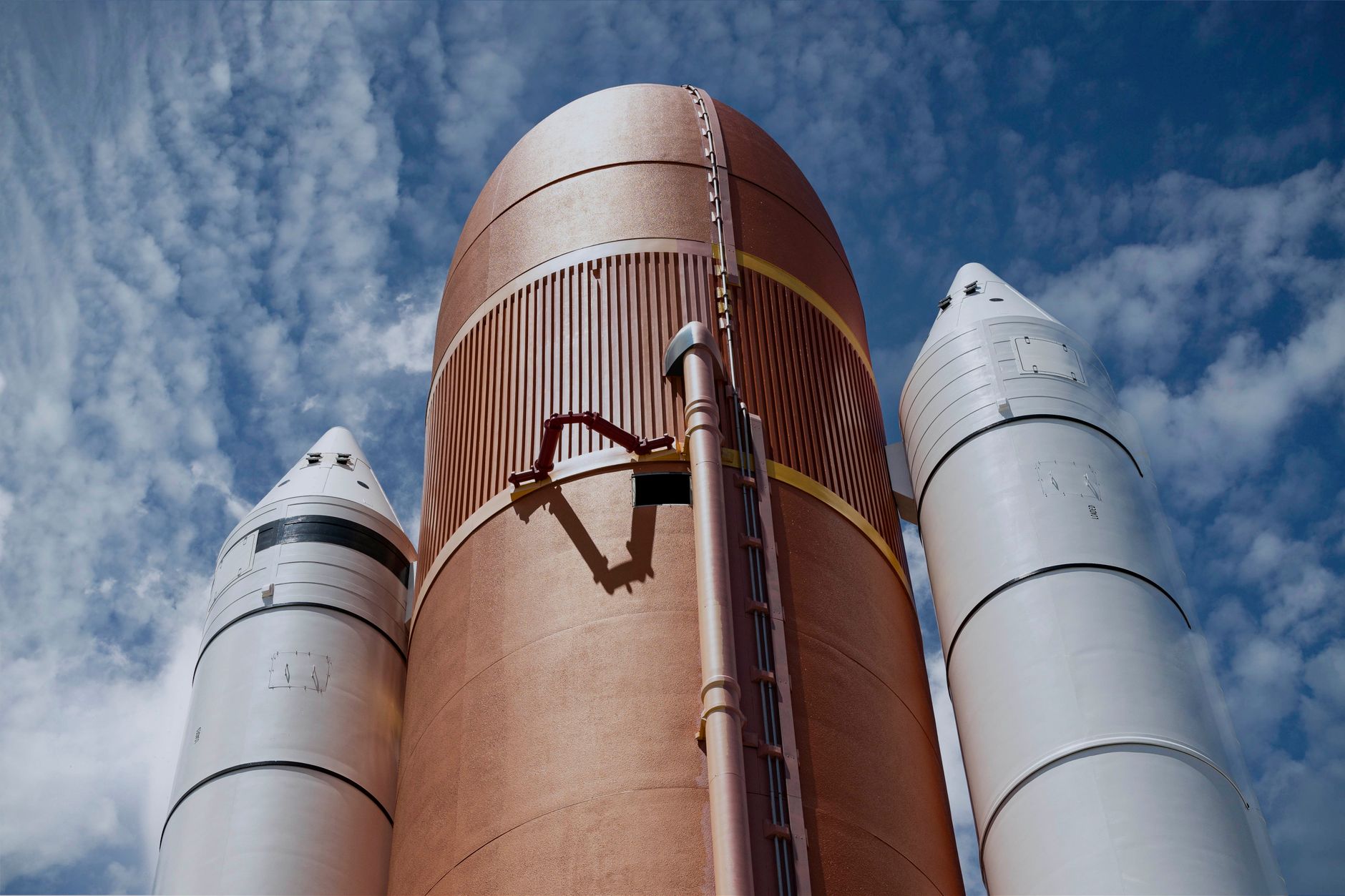
Photo by john mckenna on Pexels