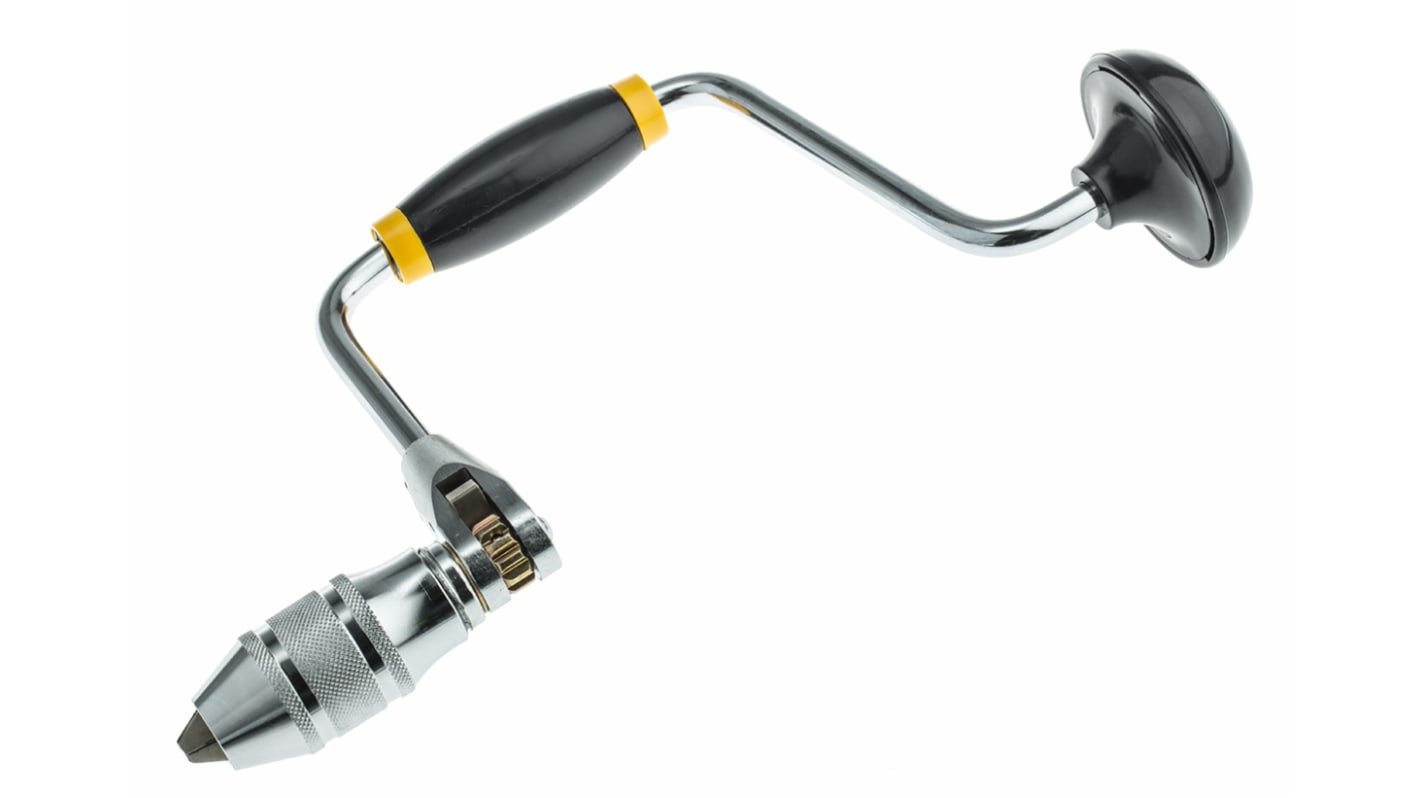
The hand drill is a versatile tool that offers simplicity and convenience for various projects. With its straightforward design and ease of use, the hand drill proves invaluable for both professionals and DIY enthusiasts alike. A reliable hand drill empowers you to effortlessly bore holes or drive screws without the need for electricity. Its compact size makes it a portable companion, ready to tackle tasks anywhere. Discover the power and practicality of the hand drill, a timeless tool that continues to be a reliable companion in the workshop or on-the-go.

The Fascinating World of Hand Drills: A Comprehensive Guide
Introduction to Hand Drills
Welcome to the wonderful world of hand drills! If you have ever wondered how things are drilled before the invention of electric drills, then you are in the right place. Hand drills have been used for centuries by craftsmen, woodworkers, and hobbyists to create precise holes in various materials. In this guide, we will delve into the history, types, uses, and benefits of hand drills.
A Brief History of Hand Drills
Hand drills have a long and storied history, dating back to ancient times. The earliest known drills were simple tools consisting of a pointed end attached to a wooden shaft, which was rotated by hand. Over time, the design of hand drills evolved, with improvements in materials and mechanisms making them more efficient and versatile.
In the 19th century, hand drills became more sophisticated with the invention of the brace and bit, a type of hand drill that featured a gear mechanism for increased torque. This innovation revolutionized the way holes were drilled and laid the foundation for modern hand drills as we know them today.
Types of Hand Drills
Hand drills come in various types, each suited for different purposes. The two main categories of hand drills are manual hand drills and eggbeater drills.
1. Manual Hand Drills
Manual hand drills are the simplest form of hand drills and consist of a basic design with a handle, gear mechanism, and chuck to hold the drill bit. These drills rely on the user’s physical power to rotate the drill bit and create holes.
2. Eggbeater Drills
Eggbeater drills, also known as breast drills, are a more advanced type of hand drill that feature a crank handle for increased speed and efficiency. These drills are commonly used in woodworking and metalworking due to their precision and control.
Uses of Hand Drills
Hand drills are versatile tools that can be used for a wide range of applications, from woodworking and metalworking to crafting and DIY projects. Some common uses of hand drills include:
– Drilling pilot holes for screws
– Creating holes in wood, metal, plastic, and other materials
– Precision drilling in tight spaces
– Installing hardware and fixtures
The Benefits of Using Hand Drills
While electric drills are more common today, hand drills offer several unique benefits that make them a valuable addition to any toolkit.
1. Portability
One of the main advantages of hand drills is their portability. Unlike electric drills that require a power source, hand drills can be used anywhere, making them ideal for on-the-go projects or outdoor work.
2. Precision
Hand drills allow for greater precision and control, especially when working on delicate or intricate projects. The slow and steady rotation of the drill bit enables the user to create accurate holes with minimal effort.
3. Quiet Operation
Unlike noisy electric drills, hand drills operate quietly, making them perfect for working in noise-sensitive environments or when you prefer a more peaceful workspace.
4. Safety
Hand drills are safer to use, especially for beginners or children, as they do not have the fast-spinning drill bits that can cause accidents. The manual operation of hand drills also allows users to have better control over the drilling process.
Tips for Using Hand Drills
To make the most of your hand drill, here are some tips to keep in mind:
– Always use the appropriate drill bit for the material you are working with.
– Secure the workpiece firmly before drilling to prevent slipping.
– Apply steady pressure while drilling to maintain control and prevent the bit from wandering.
– Keep the drill bit sharp and clean for optimal performance.
In conclusion, hand drills may be old-fashioned tools, but they still hold their own in today’s modern world. Whether you are a woodworking enthusiast, a DIY hobbyist, or someone looking for a reliable and versatile drilling tool, hand drills have much to offer. So next time you embark on a creative project, consider reaching for a hand drill and experience the joy of manual craftsmanship firsthand. Happy drilling!
All About Hand Drills
Frequently Asked Questions
What are the basic components of a hand drill?
A hand drill typically consists of a handle, a chuck to hold the drill bit, a gear mechanism for power transmission, and a crank or trigger to rotate the drill bit.
How do I choose the right drill bit for a hand drill?
When selecting a drill bit for a hand drill, consider the material you will be drilling into and the desired hole size. Choose a high-quality drill bit that matches the material hardness and size requirements for optimal results.
Can a hand drill be used for both drilling and driving screws?
Yes, a hand drill can be used for both drilling holes and driving screws. By switching out the drill bit for a screwdriver bit, you can easily switch between drilling and driving functions.
Final Thoughts
In conclusion, the hand drill is a versatile and essential tool for woodworkers of all skill levels. Its simple design allows for precision drilling with ease. Whether you are a beginner or an experienced craftsman, the hand drill is a reliable tool that should not be overlooked in your workshop. With its portability and efficiency, the hand drill is a valuable asset for various woodworking projects.